Artificial Intelligence is no longer just a buzzword in tech circles, it is quickly becoming a language students must learn to speak, understand, and shape. At AImySchool by HigherSummit (UK), we believe that giving students the ability to use AI is only the beginning. The real breakthrough happens when they understand how it thinks.
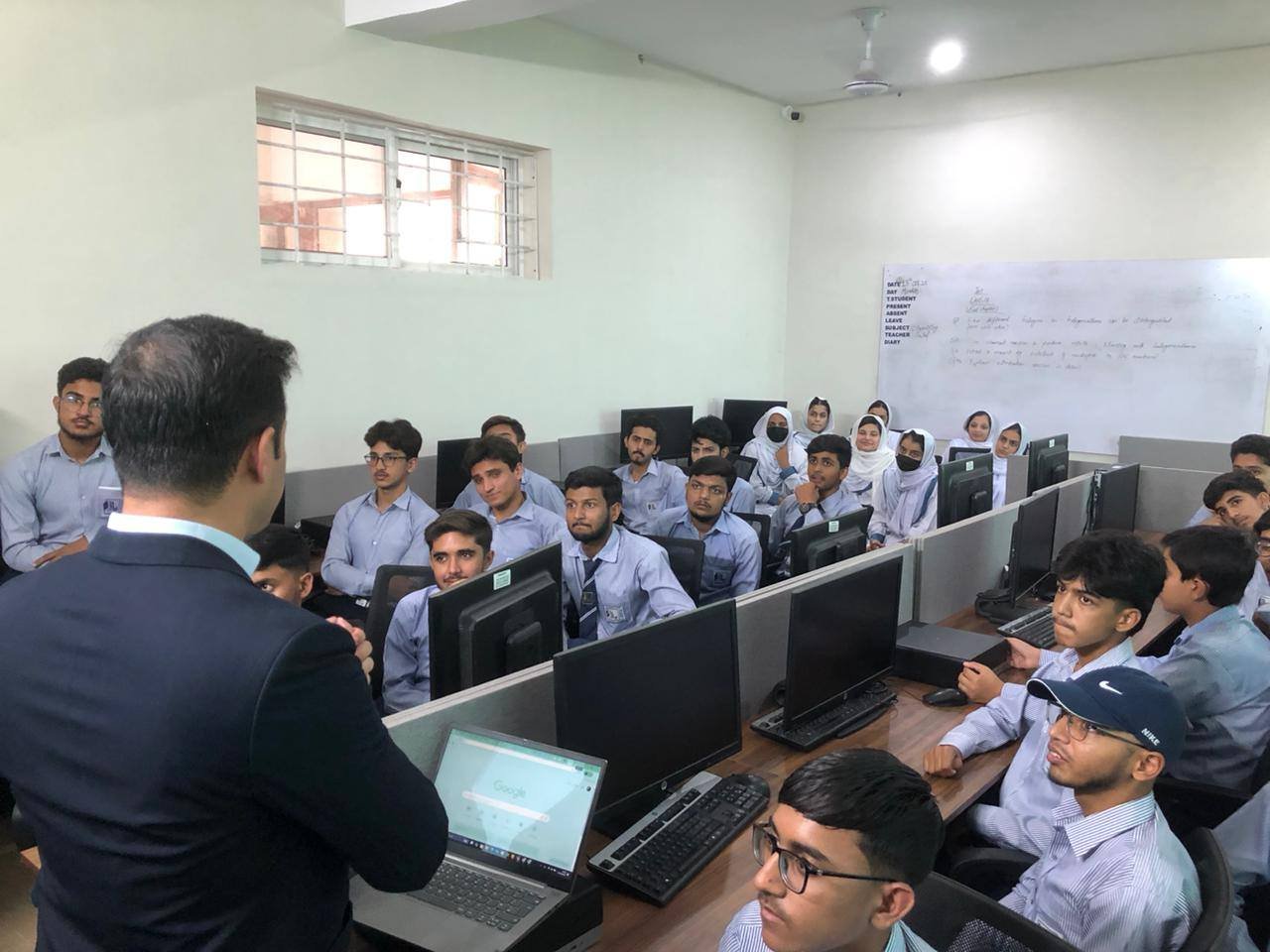
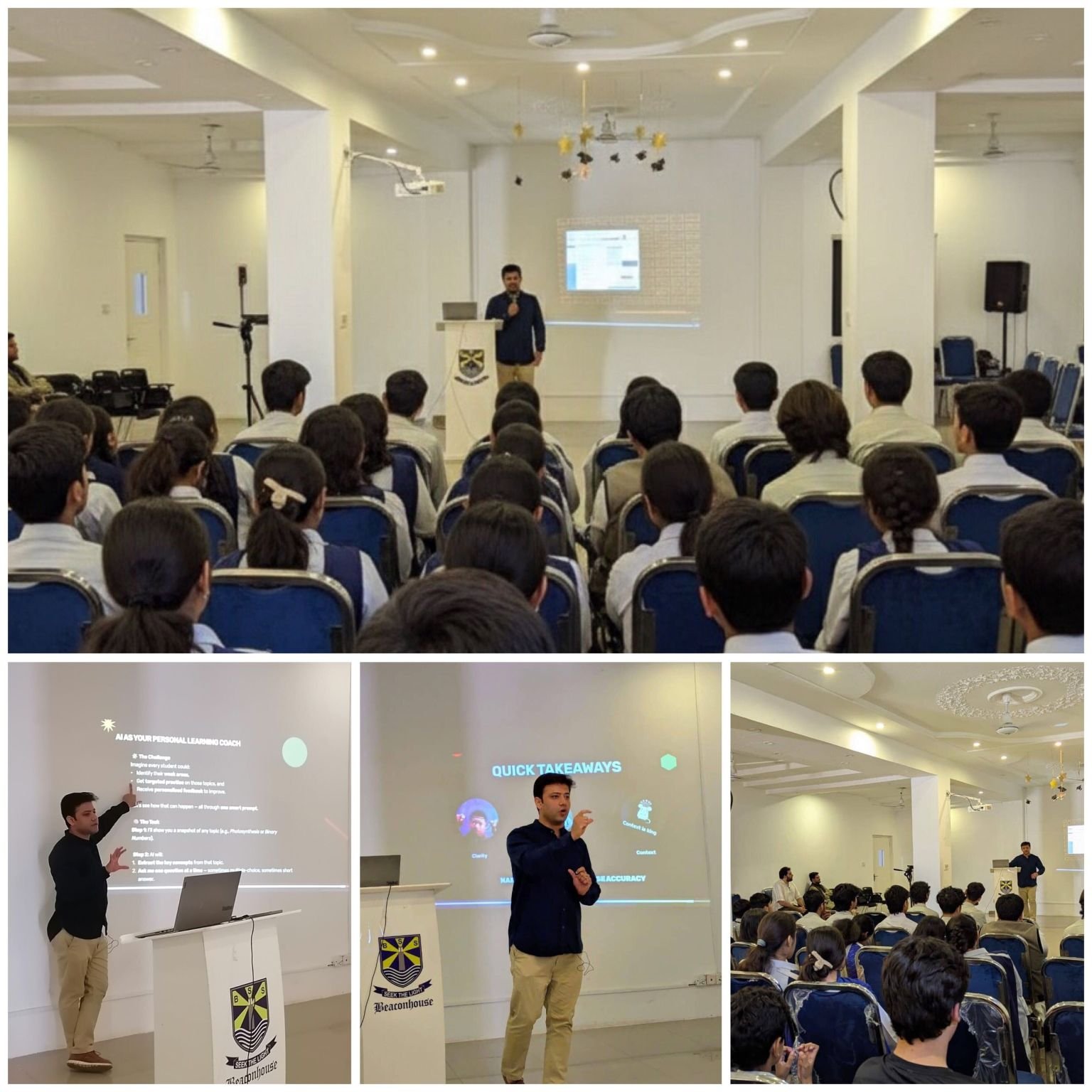
Last week, we had an extraordinary opportunity to bring this philosophy to life at Beaconhouse School System Attock Campus, where bright students from Grade 7 to O-Levels gathered along with their teachers for a session like no other.
A New Perspective on the AI Literacy Workshop Beaconhouse Attock
Rather than simply showing students how to write better prompts, we opened the conversation deeper. We explored how an AI model searches for patterns, builds context, and generates meaning, token by token, step by step. By shifting the narrative from “What can we ask AI?” to “What does AI do when we ask?”, students began to see the tool from the inside out.
In the classroom, you could feel the shift: curiosity replaced caution, questions replaced hesitation. One student asked about how an AI model chooses between possible answers, that sparked a lively discussion about probability, model training, and ethical use. By the end of the hour, they weren’t just users of AI, they were junior prompt artists.
Hands-On Learning: Prompt Engineering for Teachers and Students
For the second half of the session, we invited students and teachers into hands-on activities. Students practiced constructing prompts with clarity, precision, and purpose, not simply “Write an essay on climate change,” but “Generate three persuasive arguments (each ≤100 words) on how AI can help rural water management in Pakistan.”
Teachers, meanwhile, explored how this process could translate into the classroom: formative assessments powered by AI, student-led app prototypes, and ethical discussions about AI feedback loops. The room buzzed with ideas: “What if students could build their own AI chatbots for peer tutoring?” or “How might we co-design AI-driven study helpers with students themselves?”
This was not a demonstration; it was an invitation: to think, to experiment, to build.
Ethics and Responsible AI Use
Understanding how AI thinks also means grasping the responsibility that comes with that power. We carved out time for a thoughtful dialogue on AI ethics, fairness, and impact. Students considered questions like: “If an AI grades my essay, who is responsible for the feedback?” and “How can we ensure AI doesn’t reinforce bias or error?”
These discussions were grounded in the Pakistani context: access, equity, language, and culture. Our aim is not just innovation, it’s equitable innovation, ensuring that when AI steps into classrooms, it empowers all students, not only a few.
AImySchool’s Mission and What’s Next
At AImySchool, our mission is simple: help schools across Pakistan learn, create, and think with AI, right inside their classrooms. The session at Beaconhouse Attock is a shining example of what this mission looks like in action.
Next up: full-year enrollments at partner schools, teacher-training modules on AI pedagogy, and student innovation showcases where learners present their AI-powered prototypes. We’re also continuing to collaborate with schools across Islamabad, Rawalpindi, and Attock to bring structured AI Literacy into everyday learning.
Conclusion
In a world where AI is rapidly changing the nature of work and learning, the ability to understand how it thinks is a decisive advantage. At Beaconhouse Attock, students didn’t just write prompts, they dug into what happens behind the scenes. They didn’t just use AI, they planned, critiqued, and created with it.
With AImySchool by HigherSummit (UK), this is more than a session. It’s a movement, from curiosity to creation, the future is being built today.